Carnival of the Animals
Already this season, audiences in Klaipėda will have a unique opportunity to immerse themselves in a captivating musical fairy tale — “The Carnival of the Animals,” one of the most famous works by the French composer Camille Saint-Saëns.
This colorful musical suite, created at the end of the 19th century, has never lost its charm and is considered one of the most vivid and playful masterpieces of classical music, enjoyed by audiences of all ages.
Saint-Saëns was a true musical prodigy — he began playing the piano at the age of five and later became one of the most important figures of the French Romantic era. He composed symphonies, operas, concertos, and chamber music, yet it was The Carnival of the Animals that revealed his sense of humor, imagination, and extraordinary ability to tell stories through sound.
“The Carnival of the Animals” is a cycle of 14 short musical portraits, each depicting a different animal with its own distinct musical character: the proud and powerful lion, bouncing kangaroos, slow and comical tortoises, playful wild donkeys, a mysterious aquarium filled with shimmering sounds, and of course the famous Swan — a tender, lyrical melody for cello that has become one of the most beloved themes in classical music worldwide.
To portray the movements and moods of the animals, the composer masterfully employed a wide range of instruments — from the heavy, marching tones of the double bass to the light, sparkling sounds of the piano and flute. The piece is also full of subtle humor: some movements gently parody other composers and even the academic world of music itself.
Interestingly, Camille Saint-Saëns initially did not want “The Carnival of the Animals” to be performed publicly, considering it too playful for an artist of his stature. However, after his death, the suite quickly gained popularity and became one of the most frequently performed works in the classical music repertoire around the world.
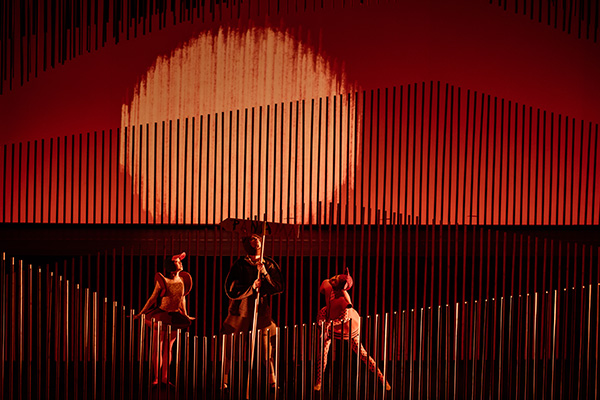
Today, “The Carnival of the Animals” can be heard not only in concert halls but also on theater stages, in ballet productions, animated projects, and educational performances for children. The music is often accompanied by narrated texts, dancers, or visual projections, transforming the suite into a vivid and enchanting story.
Upcoming events:
Information:
You may also like